

The Swiss take animal rights very seriously.
For instance, you can’t just flush goldfish down the toilet, and you can’t boil a live lobster, because the experience is too painful for the creature.
But that's not all: one Zurich lawyer even went to court to represent the (posthumous) rights of a fish. Yes, fish.
In 2008, Zurich’s public prosecutor filed criminal charges against a fisherman for roughly yanking out a 10-kg pike from the icy lake water, causing, as charges read, “excessive suffering to the animal.”
The pike was represented in court by animal advocate, attorney Antoine Goetschel. The fisherman was ultimately acquitted, though the case might have left a fishy taste in his mouth.
As a result of this case, however, the parliament passed a law in 2009 requiring all anglers in the country to take a course on humane methods of catching fish.
Meanwhile, Goetschel has become known as Switzerland’s foremost animal welfare lawyer and he spearheaded a referendum that would require each canton to appoint a special attorney to represent pets and farm animals in court in cases of alleged abuse.
Ultimately, it was rejected by 70 percent of voters it 2010, on the grounds that Switzerland’s animal protection laws are already strong enough.
And they seem to be just that — look at how Swiss legislation requires animal owners to care for their pets.
Cats
According to animal welfare legislation, a cat must have social interaction — that is, daily contact — with people or other cats.
Furthermore, law requires households with cats to have “observation post at the window, from which the cat can monitor what is happening outside, and a toy in the shape of a mouse to pounce on and which they will drag around the house” (seriously).
There is more: in addition to a bed and a litter box (one for each cat), you must also provide a scratching post and infrastructure to allow them to climb, hide and play.

Rats
Before you cringe and 'eek,' know that some people actually like to keep rats as pets, though probably not in the same household as cats.
But it's not as straightforward as it may sound because you can't just keep a rat in a shoebox.
According to the government, it must have a cage that is "spacious enough and decorated with many objects to play, hide, gnaw, and explore."
Rabbits
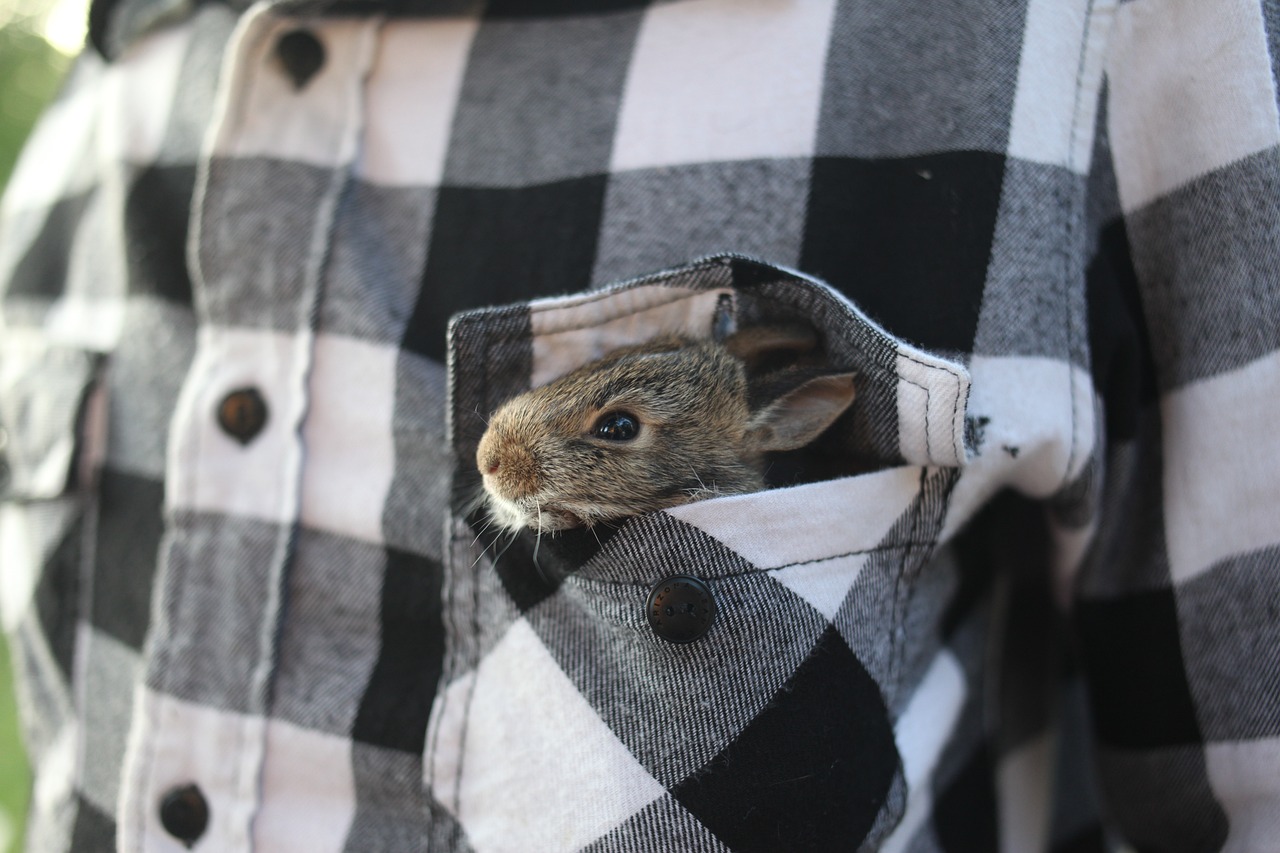
Their enclosures must have dark areas for rabbits to retreat, such as the space under a raised surface, wooden sheds, hollow tree trunks or concrete pipes. "These spaces allow rabbits to rest or protect themselves when they feel threatened or wish to avoid their fellow rabbits," — because the creatures must be kept in groups of at least two.
"The observation posts are appreciated to monitor the surroundings"...and will serve to "contribute to the rabbits' quality of life."
Now, you can't argue with that.
Horses, ponies, donkeys, and mules
MP Anna Giacometti filed a motion in the parliament asking that the animal protection law be amended to include a rule that donkeys, mules and hinnies (offspring of a donkey and horse) live in special enclosures reserved just for them, and not be mixed with each other, as is currently the case.
“Horses cannot be social partners for donkeys, mules and hinnies, and vice versa”, the motion states.
The decision on this motion is still pending, but if it is accepted, separate lodgings for donkeys will become compulsory.
Dogs
When it comes to man’s (or woman’s) best friend, the law focuses primarily on what you cannot do to a dog.
For instance, you are not allowed to cut off dogs' ears and tails. It is also forbidden to import dogs with their ears or tails clipped off, as it is considered inhumane and against nature.
It is also prohibited in Switzerland to use any and all means to prevent dogs from barking.
Also, you can’t muzzle a dog.
Last but not least, it is illegal to send animals by post. This is a more reasonable way of transporting your pets:
READ ALSO: All you need to know about bringing your pets to Switzerland
You can see Swiss rules for all kinds of dementing animals, including ferrets, hamsters, turtles, and even pigeons, here.
Comments