
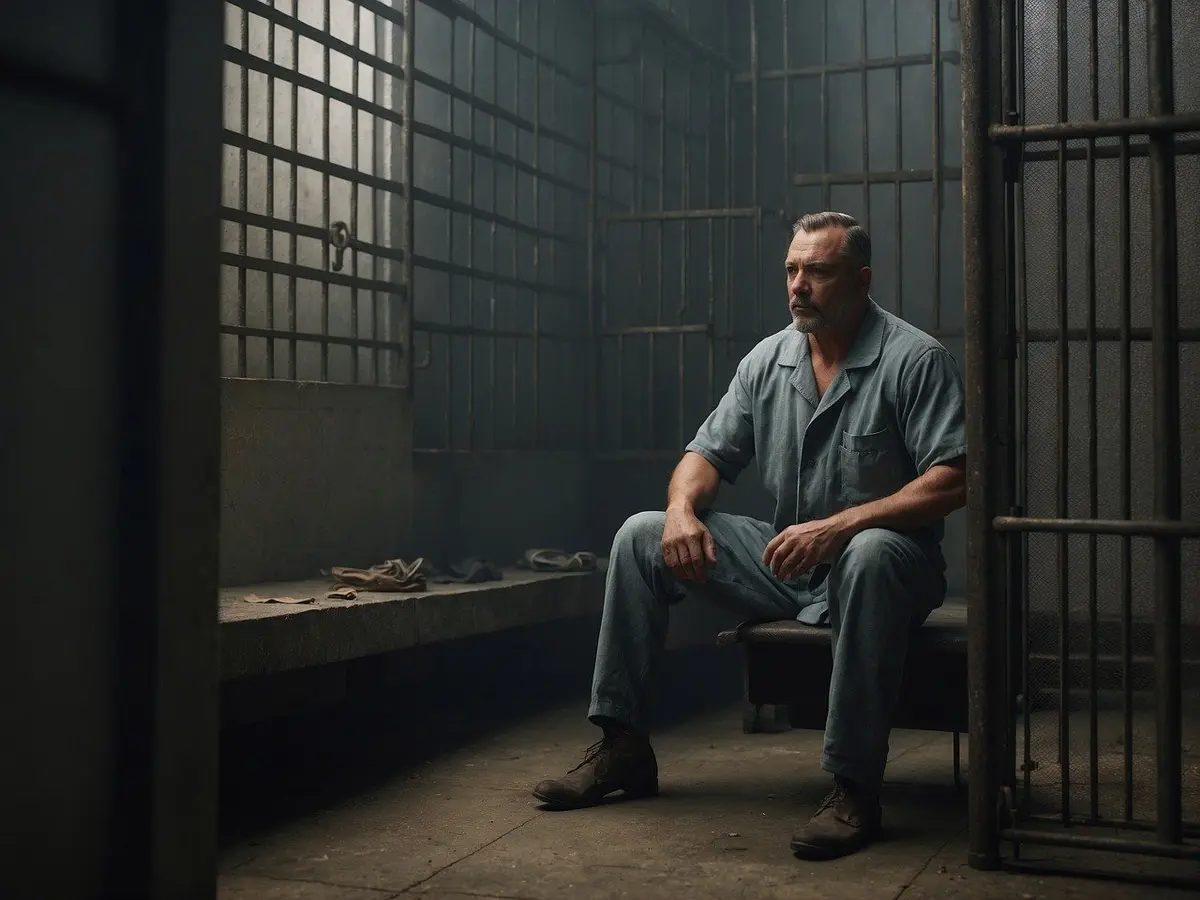
Some 9,200 people were imprisoned in Switzerland in 2023, according to recent figures from the Federal Statistical Office (FSO).
However, according to the data analysis carried out by Louise Hauptmann, a doctoral student in criminal law, most of these people should not have been put in prison.
"In the collective imagination, someone who is in prison is someone dangerous,” she said. "In reality, there are very few prisoners in Switzerland who are really dangerous."
FSO data shows that nearly half of the prisoners released last year had served a sentence of less than 30 days, while 66 percent had spent less than three months in detention — which indicated that their offences were not serious.
Why, then, were they incarcerated?
According to Hauptmann, most prisoners in Switzerland are incarcerated for minor offences, which normally have a fine, rather than a prison sentence, attached to them.
For instance, not having a ticket for public transportation or petty theft are among those infractions.
But if the person caught committing these infractions is unable to pay the fine or simply refuses, then they may end up being imprisoned. This is called an ‘alternative custodial sentence.’
While most people can afford to pay these fines (and can therefore walk away free), low-income or unemployed individuals may no be able to come up with the money and can then be sentenced to short prison terms instead.
Last year, more than half of those imprisoned (53 percent) were serving this type of sentence, according to the FSO data.
In other words, more than half of them were not supposed to be in prison at all, but ended up behind bars because of the consequences of not paying the fine.
“By definition, it is poor people who are at risk of not being able to pay. So they are the ones who risk ending up in prison for minor offences,” Hauptmann pointed out.
What about the foreigners?
There is another decisive factor in placing minor offenders in prison: so they don't leave the country.
"Very often, foreigners are considered to be a flight risk, simply because they have another nationality," Hauptmann said.
"This is particularly true when they are not well integrated socially in Switzerland — for example, when they don’t have a job here."
Depending on how well integrated they are, both foreigners and the poor “don’t have the means or the knowledge to defend themselves. They are stigmatised, cannot count on society's solidarity, and there no lobbies to defend them," she said.
Comments