
The referendum against the priority of collective labour agreements over minimum wages has been launched
On Wednesday, unions and left parties have submitted more than 100,000 signatures -- twice as many as required by law - against a parliamentary reform of collective labour agreements (CLA).
This reform would allow CLAs to take precedence over cantonal and municipal minimum wages, which had been set as a result of public votes.
The Federal Chancellery will now verify the legitimacy of signatures before a date is set for a referendum on this matter.
Coincidentally or not, also on Wednesday Geneva has announced that its minimum wage will increase to 24,73 francs per hour from January 1st – up from 24,59 francs currently.
Zurich expands its nonprofit, affordable housing project
In an effort to provide low-rent accommodations in a city notorious for chronic shortages of reasonably priced rental units, the municipality purchased 64 apartments in the Seebach district.
The buildings, dating from 1952, are largely in good condition, providing housing for at least 156 people. In the future, the residential floor space on the site could be more than doubled.
The purchase is a step toward Zurich’s "one-third goal," under which one-third of all rental apartments in the city are to be non-profit.
MP: Geneva is ‘ideal’ for a train connection to the UK
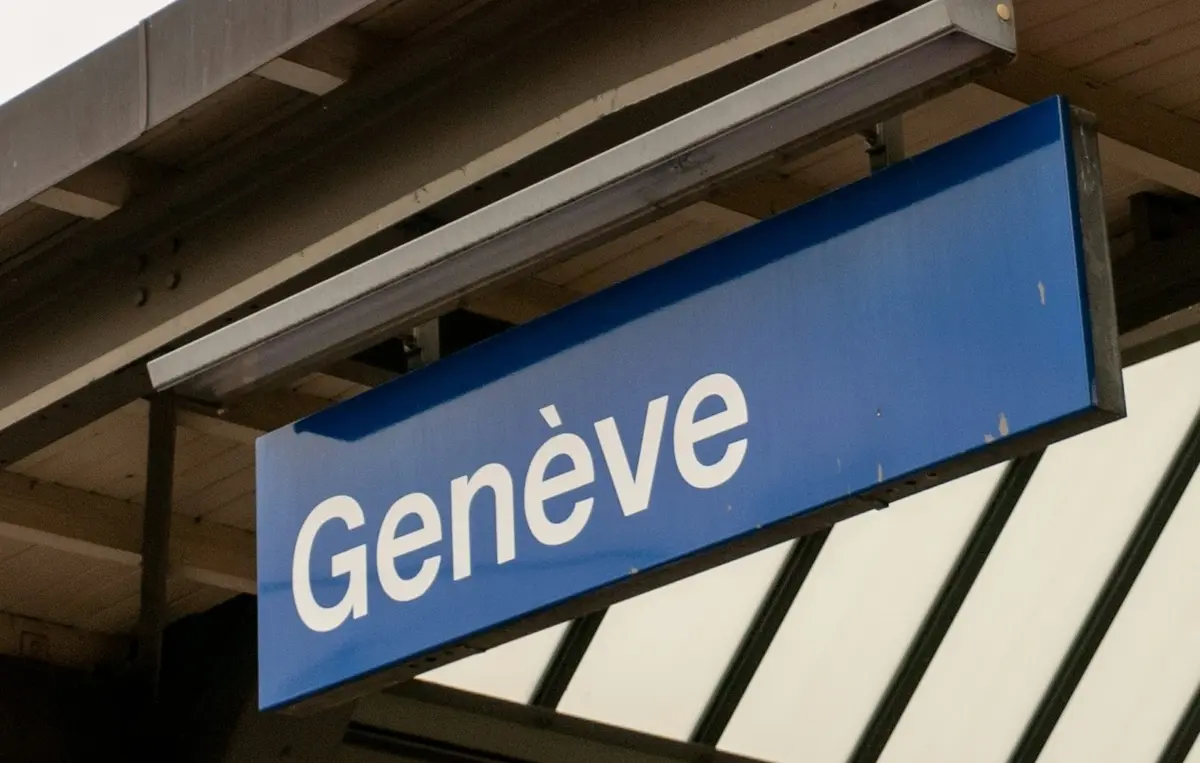
The rail route between Switzerland and London has been planned for a while, but deputy Delphine Klopfenstein Broggini has called on Wednesday to move the project along.
The still-unresolved point is from which Swiss city – Geneva, Zurich, or Basel – the UK capital should be reached.
In her parliamentary motion, Klopfenstein Broggini stressed that Geneva should take precedence over the two other cities, because it “offers an ideal option for establishing a dedicated rail terminal and ensuring the viability and profitability of this link to the United Kingdom.”
READ MORE: Switzerland to London train could hit the rails as soon as 2030
Three out of four new doctors in Switzerland come from abroad
Given the growing shortage of physicians trained at Swiss universities, new doctors currently practicing in Switzerland are predominantly foreign.
According to the Swiss Medical Association, in 2025, 43 percent of doctors practicing in Switzerland had a foreign degree – up form 31percent a decade earlier.
Today, three out of four new physicians in Switzerland come from abroad—well above the OECD average of around 19 percent.
READ MORE: Why is Switzerland worried about the rising number of foreign doctors?
If you have any questions about life in Switzerland, ideas for articles or news tips for The Local, please get in touch with us at news@thelocal.ch
Comments