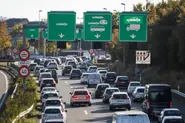
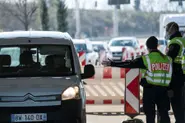
The vast majority of cross-border commuters in Switzerland are citizens of the neighbouring European Union states where they reside. But what are the rules for third-country nationals who live in neighbour nations?
If you are resident of France, Italy, Germany, Austria, or Liechtenstein, and looking for a ‘daily’ job in Switzerland, you need a G permit. Here’s how to apply for one.
If your employment in Switzerland depends on your work permit — as is the case for most foreigners — then you may worry that it won’t be extended. Can this actually happen?
Switzerland has its own ‘working holiday visa’ scheme for younger people, although there are some important differences you should know about. Here’s what you need to know.
Under Swiss law, discrimination on the grounds of nationality or ethnicity is strictly forbidden, but the story of one work permit holder shows such situations do arise nevertheless.
Generally speaking, EU and EFTA nationals (the latter consisting of Norway, Iceland, and Liechtenstein), have an almost unlimited access to Swiss work and residency permits. But are there any exceptions?
If you a citizen of a non-EU / EFTA country, obtaining a permit to work in Switzerland is subject to a number of restrictions. But if you happen to be one of several in-demand professions, this process may be much easier.
Switzerland has strict rules about foreigners who can live and work in the country, and under what conditions. Nationals of third countries face a slew of restrictions, but can move here under certain circumstances.
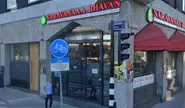
The first Saravanaa Bhavan, a famous Indian restaurant brand, wants to open its doors in Zurich. But the opening is delayed by an administrative glitch — no visas for the chefs.
Out of the maximum number of work permits set aside by Swiss government for UK citizens and other non-EU nationals, only a portion have been handed out.
Ever since the UK ‘Brexited’ from the EU, its citizens have faced various restrictions in Switzerland (as elsewhere in Europe). But what happens to those already living here?
Under Switzerland’s law, all foreigners whether EU or third county nationals are not considered "equal" in terms of residency and work permits. But what is the situation for citizenship?
Despite a push from Switzerland’s Justice Minister to issue fewer permits to workers from outside the European Union, the government will retain the same number of quotas for 2024.
Switzerland has long depended on workers from European countries to fill the vacancies in its labour market. But this could change within the next few years.
Most foreign residents in Switzerland aspire to a C permit — the ‘highest' there is. But can you live indefinitely in the country on a B permit as well?
Several countries in Europe are reducing the salaries people from outside the EU need to be eligible for a work visa, although one – Sweden – is raising the threshold. Here's a comparison of current rules in the countries covered by The Local.