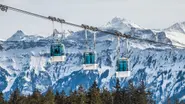
How can you describe cold weather in German (and Swiss German)? With temperatures dipping recently, here are some essential words you’ll likely be hearing or using in winter.
German is not an easy language to learn, particularly Swiss German. The City of Zurich knows this and has several offers for free classes for immigrants. Writer Parul Chhaparia lists five of them.
Swiss German is notoriously difficult for many people to understand, even those who speak 'Hochdeutsch'. But there is a famous term that has made it into the global vocabulary.
French is often crowned the world’s most beautiful language and has, for centuries, infiltrated Switzerland’s German-speaking region. But why did so many French words end up in Swiss German and which are most commonly used?
These key words and phrases enable you to greet and wave off a Swiss person, demonstrate basic social etiquette, and casually respond in Zurich's local dialect.
The clocks are springing ahead this weekend, marking the beginning of daylight saving time and the end of the dark winter period. Aptly described in German as die Sommerzeit, here is the history of how the practice came about.
If you live in a German-speaking part of Switzerland you will likely consider learning the language. But should you start with standard German (Hochdeutsch) or a form of Swiss German?
From strange French borrowings to missing tenses and pronunciation oddities, we give you the lowdown on how Swiss German is different from the Standard German you learn in the classroom.
Switzerland's four national languages means there are four different names for Christmas. We break down why - and how to say Merry Christmas wherever you are in the country.
German is a notoriously challenging language - and for English speakers, there are a few classic pitfalls that trip people up time and time again. Here are some common mistakes you may not even know you're making - and how to avoid them.
People in German-speaking Switzerland use Hochdeutsch (standard German) - but there is also a huge variety of Swiss German dialects. We spoke to experts to explore the differences between the languages.
Swiss German, or Schwiizertüütsch, can be incredibly difficult to learn. We spoke to several readers who have learned it to get an insight on how they did it.
Some Swiss German words are so culturally specific, or just so strange, that it is impossible to translate them – at least not in a simple, elegant way. From dogs' funerals to egg bumping, some Swiss German words just don't make it across the translation divide.